
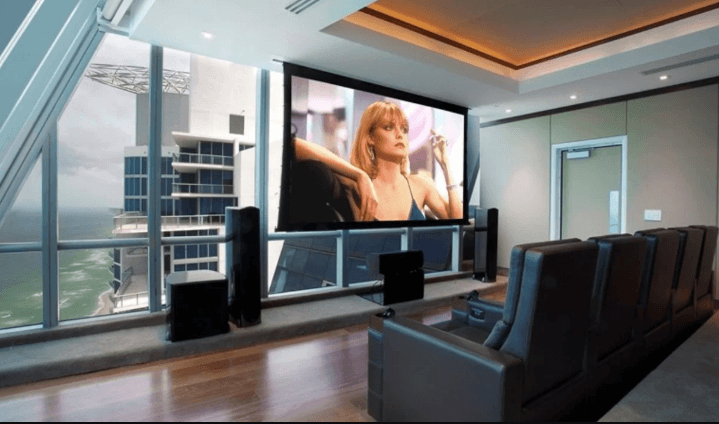

Smart Home Entertainment Systems aim for seamless setup, strong voice assistant ties, and true multi‑room coordination. They balance compatibility, performance, and future-proofing with clear latency metrics, open ecosystems, and robust privacy controls. The challenge lies in synchronized playback, precise display calibration, and scalable architectures that accommodate devices across rooms and services. The core question remains: can a platform deliver hands-free, secure control without compromising quality, as new possibilities emerge?
How to Choose Your Smart Home Entertainment Platform
Choosing a smart home entertainment platform requires balancing compatibility, performance, and future-proofing. The framework centers on setup compatibility and voice assistant integration, ensuring seamless device onboarding and hands-free control. A technically savvy consumer weighs ecosystem openness, update cadence, and hardware requirements. Clear metrics matter: latency, supported formats, and third-party app access, all guiding a freedom-loving choice that won’t lock users in.
Crafting a Seamless Multi-Room Audio Experience
From evaluating platform compatibility and voice assistant integration, the next focus is delivering a cohesive, high-fidelity multi-room audio experience. A robust system coordinates sources, zones, and volume with synchronized playback, ensuring seamless transitions.
Consumers gain freedom to mix devices, control methods, and rooms without disruption. Clear, reliable routing and latency management underpin dependable, immersive, whole-home sound across multi room audio ecosystems.
Integrating Visuals: TVs, Displays, and Streaming Essentials
Smart home displays and televisions extend the home entertainment core by coordinating signal sources, display standards, and streaming apps with precise timing and consistent quality. Visual integration emphasizes calibration accuracy to align color, brightness, and contrast across devices, while ambient lighting is managed to minimize glare and enhance perceived depth. Users gain freedom through straightforward setup, reliable performance, and scalable, future-proof streaming options.
Privacy, Security, and Data Management in Smart Entertainment
In smart entertainment ecosystems, how data collection, device hardening, and access controls shape user trust is not an afterthought but a core design consideration.
The discussion centers on privacy controls, data retention, and transparent data practices that empower users to govern what is collected, stored, and shared.
Robust encryption, clear permissions, and auditable logs reinforce autonomy without compromising convenience or performance.
Frequently Asked Questions
How Do I Troubleshoot Audio Sync Issues Across Rooms?
To troubleshoot audio sync issues across rooms, pursue troubleshooting latency adjustments, test each zone independently, and implement room by room synchronization via speaker group timing, latency compensation, and consistent source settings to preserve seamless multi-room playback freedom.
Which Devices Support High-Fidelity Audio Formats I Own?
Some devices offer high fidelity format support, including FLAC, ALAC, and PCM, enabling lossless playback. The analysis weighs seamless integration with existing ecosystems, emphasizes consumer freedom, and outlines compatibility considerations for product selection and future upgrades.
See also: infohist
Can I Integrate Gaming Consoles With My Smart System Seamlessly?
Yes, gaming consoles can achieve seamless integration with smart systems, but success hinges on audio sync, stable networks, and cross-room routing for a cohesive experience. Consumers gain freedom when devices harmonize, enabling across rooms entertainment without lag or friction.
What Are the Best Budget-Friendly Smart Speaker Options?
Best budget friendly smart speaker options exist, though audio sync issues across rooms can occur. A measured buyer compares support, firmware updates, and multi-room reliability, prioritizing balanced sound, voice assistant versatility, and compatibility with existing devices for freedom and control.
How Does Voice Control Affect Energy Consumption and Costs?
Flash of insight: voice control can cut idle consumption and optimize routines. It offers energy savings through power management, but effectiveness depends on device quality, wake-word efficiency, and user habits, influencing long-term costs and personal freedom.
Conclusion
In the end, a smart home entertainment platform is a well-conducted orchestra: each device a section, each room a chamber, all synchronized yet flexible. Consumers gain clarity from open ecosystems, measurable latency, and transparent privacy practices, while developers pursue scalable, secure architectures. The vision is seamless, hands-free motion across spaces, with voice assistants guiding rather than leading. When harmony is achieved between performance and practicality, households enjoy immersive, distraction-free entertainment that respects both data and rhythm.