
Smart homes hinge on interoperable hubs, robust wireless layouts, and standard protocols that tie devices into cohesive automations. The architecture emphasizes scalable, modular setups with clear data governance and strong privacy safeguards. Users weigh upfront costs against ongoing savings, ROI, and evolving services, while cross-ecosystem compatibility reduces vendor lock-in. As deployment strategies shift toward centralized control and zoning-based layouts, the practical implications—and the questions they raise—start to unfold.
How Smart Homes Work: The Core Tech Behind Everyday Automation
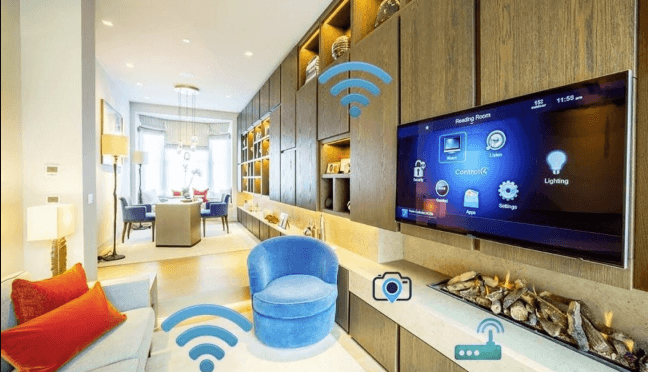
Smart homes hinge on a tightly integrated stack of sensors, devices, and control platforms that communicate through standardized protocols and robust wireless networks.
Core tech includes smart hubs, home networking, and scalable architectures enabling device interoperability.
Automation rules, voice assistants, and user interfaces drive intuitive control, while sensor reliability and privacy implications guide secure energy management and privacy-conscious design for a freedom-focused future.
What Smart Homes Cost: Budget, Value, and Return on Investment
The cost of a smart home encompasses upfront hardware, ongoing service fees, and potential energy savings, framing a clear picture of value rather than mere price tags.
A balanced cost breakdown reveals initial investments, installation effort, and subscription costs, while ROI considerations focus on efficiency gains, convenience, and long-term resilience.
Future-forward systems optimize flexibility, automation, and energy-aware behavior for freedom enthusiasts.
Privacy, Security, and Safety in Connected Living
The article highlights privacy concerns and data ownership as central debates, urging transparent data practices and clear user consent.
Security implications require robust encryption, regular updates, and device trust across ecosystems, enabling freedom while mitigating risks in everyday smart environments.
Choosing Your System: Platforms, Devices, and Practical Setup Tips
Choosing a system begins with aligning platform ecosystems to real-world needs, balancing compatibility, and future-proofing hardware investments. The discussion centers on platform vs devices, evaluating cross-ecosystem options while avoiding vendor lock-in.
Practical setup tips vs integration emphasize modular installation, clear zoning, and centralized control.
A forward-thinking, gadget-focused approach helps readers pursue freedom through interoperable, scalable, and user-friendly smart-home configurations.
Frequently Asked Questions
How Accessible Are Smart Homes for Renters and Temporary Residents?
Smart homes are increasingly accessible for renters and temporary residents, though variability remains. Renter access expands via modular devices and standardized platforms, while temporary residency benefits from portable, rental-friendly tech ecosystems designed for easy installation and seamless deinstallation.
Can Smart Homes Improve Health and Well-Being Beyond Convenience?
A chronometer gleams on the wall, while smart homes deliver health benefits and stress reduction through adaptive lighting, air quality, and data-driven routines. They enable autonomous wellness, prioritizing freedom, personalization, and evidence-based, gadget-focused approaches for well-being.
What Are the Environmental Impacts of Smart Devices Lifecycle?
The environmental impacts of smart devices lifecycle involve environmental lifecycle considerations tied to device manufacturing, energy consumption, and e waste management, where innovators optimize efficiency, extend durability, and enable responsible recycling to empower users seeking freedom through sustainable gadget adoption.
How Do Smart Homes Handle Power Outages and Offline Scenarios?
During outages, smart homes rely on redundant power, buffering essential functions while offline automations preserve basic routines. In this forward-thinking, gadget-focused view, systems gracefully degrade, enabling user freedom until connectivity returns, with autonomous fallback modes and resilient device orchestration.
See also: Smart Home Entertainment Systems
Will Future Updates Render My Current Devices Obsolete Quickly?
Updates obsolescence is possible, but device compatibility efforts and standards aim to slow it, supporting longer lifecycles. The gadget-focused trajectory favors modular ecosystems, with open platforms and firmware updates that extend usefulness while preserving user freedom.
Conclusion
In a world where thermostats whisper wishes and lightbulbs ghost-write your routines, smart homes orchestrate daily life with uncanny precision. The future unfurls as a seamless symphony of sensors, hubs, and cloud brains, predicting needs before breakfast and optimizing energy with superhero speed. Yet behind the glittering panels lies a pragmatic truth: scalable, secure, and interoperable systems will determine lasting value. The gadget-driven era arrives not as a luxury, but as an essential, relentlessly evolving companion to modern living.